

- What is IPL?
- Why an Institut Pasteur in Lao PDR?
- Main organigram
- Board of directors
- Scientific advisory Board
- Founding documents
- Key figures
Institut Pasteur du Laos (IPL) is a Lao National Institution created by the Prime Ministerial Decree in November 2007.
IPL is the result of a long term and joint decision between Lao Ministry of Health and Institut Pasteur Paris which commits to stay 16 years before retroceding the full management of IPL. Sustainability will be achieved by preparing a new generation of Lao doctors and scientists to fill key positions as heads of laboratories and administration at IPL.
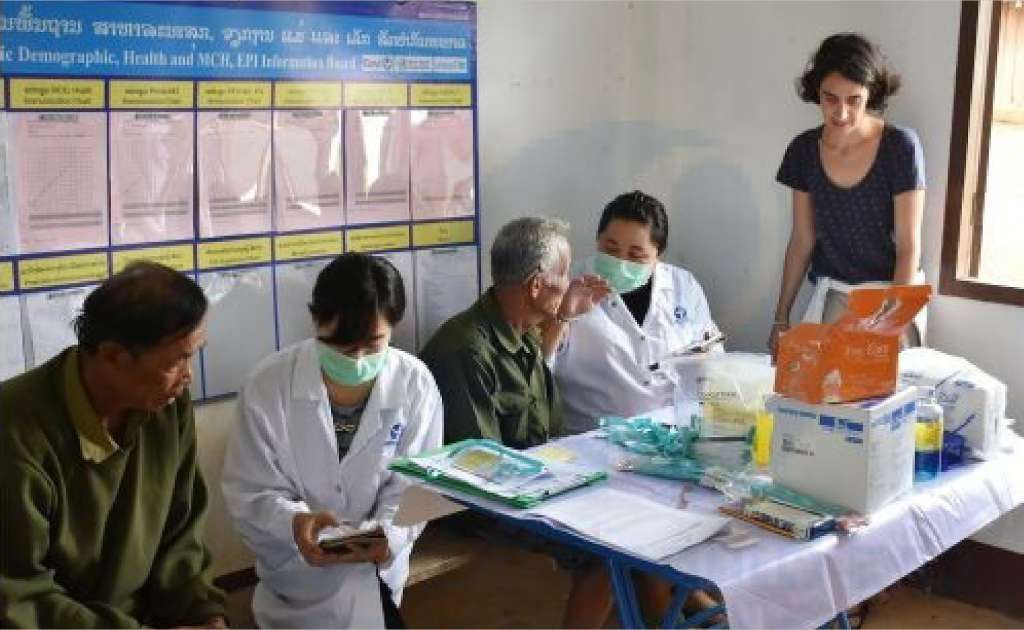
IPL has a mandate from the Lao Ministry of Health to fulfill activities of public service:
1. Research and diagnosis of emerging infectious diseases and vector borne diseases.
2. Training, Education and Capacity building.
3. Technical assistance to the National Center for Laboratory and Epidemiology ( NCLE) for the investigation of epidemics.
IPL benefits from a large degree of autonomy (legal, scientific, management, financial) and as such can be considered as a new model of Lao public institution. All the ownership belongs and remains the property of Lao PDR.
IPL has scientific autonomy within its mandate provided by the MoH. It is able to engage freely in collaborative research and investigations with other Lao and international research and public health organizations.
Financial issues are independent of the Lao public finance system. IPL is able to receive outside funding (donations, grants, bequeaths, etc.) and to generate its own resources through its own discoveries to insure its sustainability.
IPL is supported by many international institutional and private donors. Lao Ministry of Health (MOH) contributed initially by providing a 9,000 m2 plot of land in downtown Vientiane and paying for utilities.
The sustainability of this Institute, like many of the 30 Instituts Pasteur around the world, several of which are more than 100 years old, will rely on 1) research grants, international donors and philanthropy, 2) income from its own discoveries and services, 3) Lao public funds.
IPL operations started in December 2011 with 4 laboratories: 1) arbovirus & emerging viral diseases, 2) vaccine preventable and infectious diseases, 3) medical entomology and 4) parasitology.
Among the facilities, there is also a dedicated Training Center for hands-on laboratory training and biosecurity enhancement.
| To improve dramatically the public health for the benefit of the Lao People.
Research on infectious diseases will provide evidence-based results to guide consistent public health policy. Is population of X province sufficiently vaccinated against measles ? Is there a mutation of H1N1 flu? Is the chikungunya virus and vector present in downtown Vientiane? Is Japanese encephalitis incidence sufficient to warrant vaccination? | To give Lao PDR an autonomy in research and participate to the general development of the country.
To have improved capacity to investigate, diagnose, prevent,… will allow Lao PDR become independent and less reliant on other countries. | To secure the region by diminution of risk of pandemic in SE Asia.
SE Aisa is recognized as a “hotspot” for emerging and re-emerging infectious diseases. IPL brings the adequate microbiological diagnostic and research capacity; this inturn diminishes the risk for the country to play the role as a “pandemic disseminator”. |
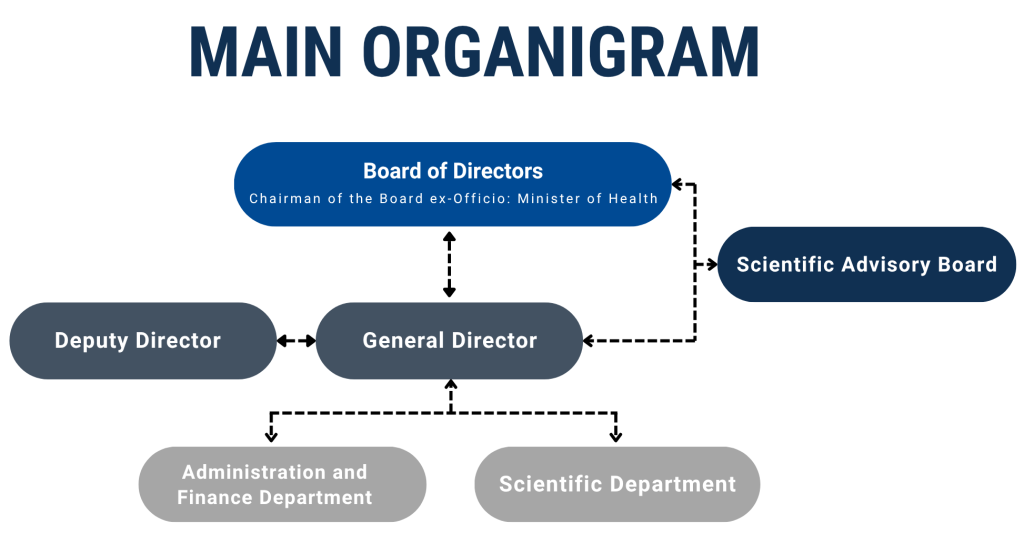
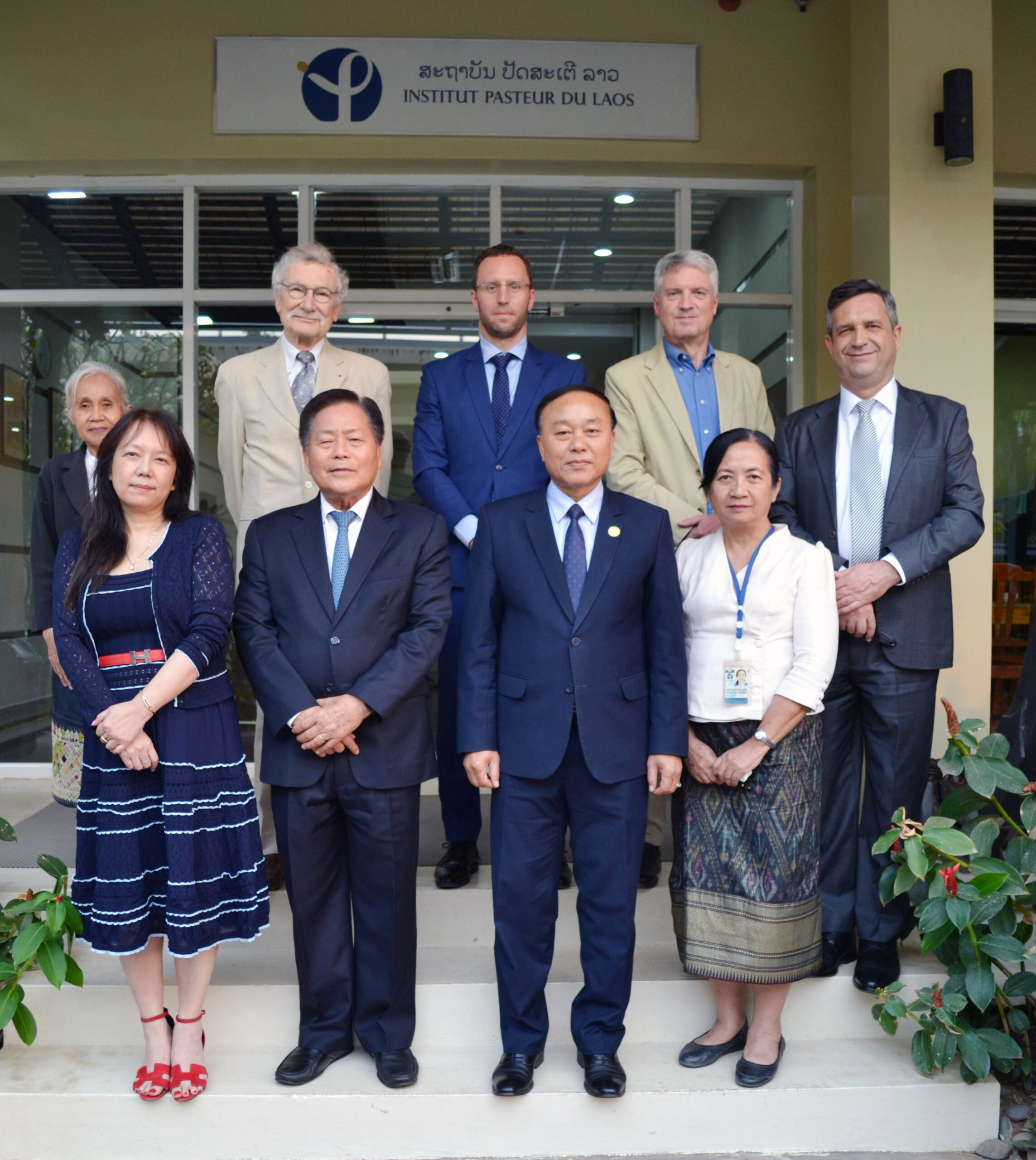
IPL is governed by a Board of Directors composed of 3 Lao Members appointed by Lao Ministry of Health and 2 members appointed by Institut Pasteur Paris. A specificity of the Board meetings is the participation of the main contributors and stakeholders as observers in the spirit of transparency and partnership.
The actual composition of the Board of Directors:
Ass. Pr. Dr. Bounfeng Phoummalyaysith, (Chairman), Minister of Health, Lao PDR
Dr. Bounkong Syhavong, Former Minister of Health, Lao PDR
Dr. Manivanh Souphanthong, MD, Former Dean and Professor Faculty of Basic Sciences, University of Health Sciences Vientiane, Lao PDR
Pr. Dr. Yves Buisson, National Academy of Medicine, France
Mrs. Odette Tomescu-Hatto, PhD, Executive Vice-President for International Affairs, Institut Pasteur Paris, France
An independent Scientific Advisory Board advises the General Director and the Board of Directors on the scientific policy of the institute.
The actual composition of the Scientific Advisory Board is:
Prof. Anna-Bella Failloux, Institut Pasteur, France
Prof. Olivier Lortholary, Assistance Publique – Hôpitaux de Paris, France
Prof. Jean-Claude Manuguerra, Institut Pasteur, France
Dr. Pascal Ringwald, World Health Organization, Cambodia
Prof. Anavaj Sakuntabhai, Institut Pasteur du Japon, Japan
30th of November 2006
Accord De Cooperation General in french
16th of November 2007
Decree of the Prime Minister in lao
Decree of the Prime Minister in english
Decree of the Prime Minister in french
30th of December 2007
Decision of Minister of Health in lao
Decision of Minister of Health in english
Regulation of Institut Pasteur du Laos in lao
Regulation of Institut Pasteur du Laos in english
Regulation of Institut Pasteur du Laos in french
16th of July 2025
Diversity, Equity and Inclusion Policy
Anti-corruption and anti-bribery Policy
| Date of Creation | 2007 |
| Date of starting of operations | 2011 |
| Number of personal | 67 people (56 Lao, 11 foreigners) |
| Laboratories | 5 Laboratories + 1 Training centre |